Spoilers for Physical: Asia
Be awesome. That’s how! I know there’s a cash prize and that’s technically the primary motivator, but these are athletes who bring their own sets of motivations to this new, weird game: they want to win, they want to prove themselves, and in the case of Physical: Asia, they want to do right by their team. Actually, and to the consternation of some, these athletes are also sometimes influencers, which brings an additional motivation. Now, I don’t begrudge anyone who’s made uncomfortable by the very concept of influencers, the worst of whom do immoral, even illegal things for attention and money, and once we reasonably assume that that doesn’t apply to the contestants of Physical: Asia, we may still be uncomfortable that these talented, determined people don’t make enough money with their day job and need a side hustle, one subject to the whims of the heartless algorithm and the court of public opinion (itself blunted by social media).
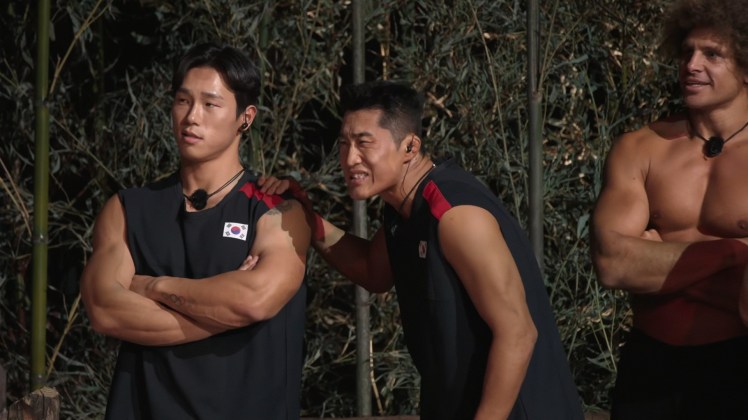
The origin of this blog post was Stun Gun, or rather, my response to him on our podcast coverage. It was, to my memory, consistent with my feelings during season two of Physical: 100, but with reflection, I don’t want to suggest I’ve got a binary pass/fail approach to these contestants who are, anyway, very much on television. I cannot assume that the narratives being presented to me are 100% accurate to the already literally manufactured reality of the production, and I know how difficult it is to be in front of a camera or even a microphone. In the latter case, people may say extraneous things simply to fill the air – not that I’d excuse anyone who willfully chooses to start a podcast. And Stun Gun didn’t even do anything remotely bad, it’s just that he led his team in a way I found frustrating. There’s a worthwhile debate about whether to encourage your team members to do their best or view them as cogs in the wheel of strategy, potentially devaluing their individual talents. Weighing one side of that debate: Team Korea won Physical: Asia.
I may be reading too much into this tiny moment, but it hasn’t left me: when Eun-sil tells Seung-yeon that the battering ram is too heavy for women to carry, and then they immediately carry it. “Internalized sexism” sounds extreme, but this is an example of a woman doubting her abilities and, possibly, those of her entire gender. I can make pretty safe assumptions about the world that Eun-sil grew up in, and the messaging she received, and therefore, the instincts she developed about herself. Throughout the season, I was also very aware of how Eun-sil wasn’t a great match for any of the quests beyond the first one. There was always someone bigger (Min-jae) or more nimble (Amotti, Sung-bin), but I think that this made her and Seung-yeon almost feel burdensome, always requiring strategy to work around them instead of with them – the card in your hand you just have to get rid of. Now, Eun-sil was amazing on the totem, but if she wasn’t always being burned off on challenges Korea wasn’t planning to win anyway, maybe she would’ve surprised herself like with the ram. Ultimately, this brings me to the multiple paths to victory on Physical: 100 and our sentimental finish. For Team Korea, it was about winning the game and the prize money, and this may have impacted the opportunities for individual players to be awesome.
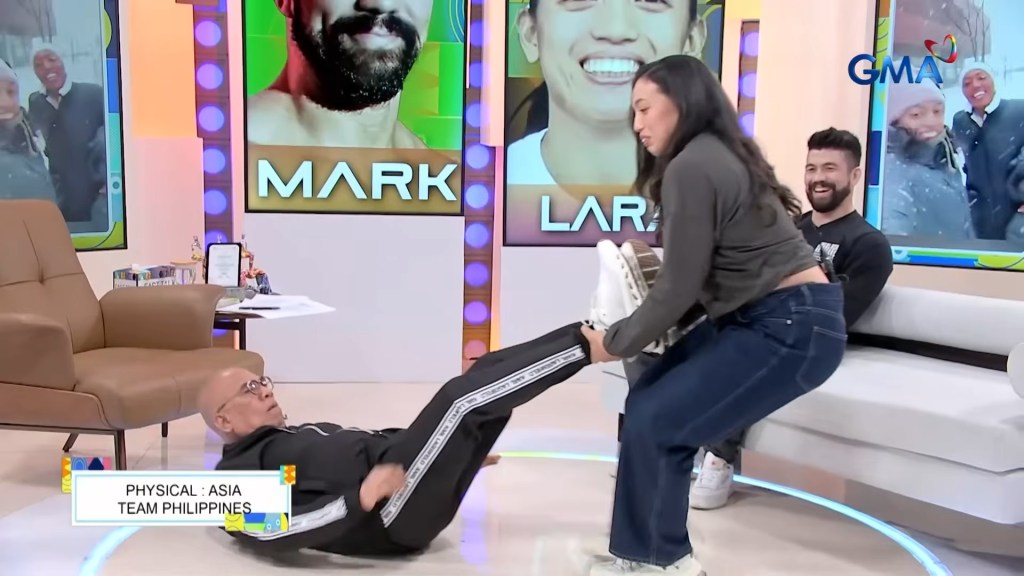
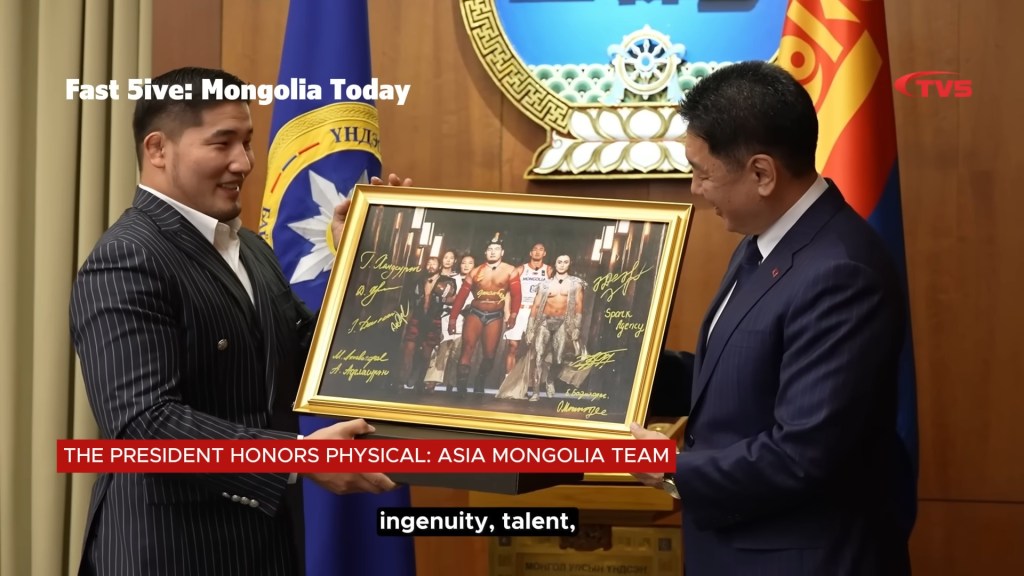
This is something that Jang Eun-sil knows very well, as she was one of the breakout stars of the original season despite not winning the game. Whether of her choosing or not, she consistently faced steep odds and rose to the challenge, inspiring viewers and fellow contestants alike. Her social media following exploded and she started appearing on TV shows, and even gets the privilege of assholes writing about her on English-language blogs. It’s a lesson I believe MMA fighter Sim Yu-ri carried into the second season, when she selected a male opponent (and FBI agent) for the Death Match. This is the added dimensionality of being on television – and why Stun Gun went kind of viral for his flailing during Amotti’s sack toss – you have to put on a show. Team Mongolia is a great example, as unlike Korea, Australia, or even Japan, their strength didn’t come from the gym (and we might read socioeconomics into that, given our last collective experience with Mongolia was surely the movie The Conqueror). Despite that, they reached the finals and only lost by a hair, impressing throughout with their perseverance, positivity, and team chemistry. Upon returning home, they were awarded by the Mongolian president with the state’s highest honor. Elsewhere in Asia, I’ve seen Lara Liwanag recreate her famous moment during the Death Match on social media and daytime television (alongside Mark Mugen). In our world of likes and followers, they’re all winners, too.
To lift the mood a bit, if you found my Eun-sil discussion to be a little negative Nancy (I sure did), so many of the contestants on Physical: Asia have forged international friendships, easily accessible on social media. Lara’s spoken about becoming close friends with Eun-sil (who now appears to be in Mongolia), Eddie’s been hanging out with Orkhonbayar Bayarsaikhan and Amotti in Korea, and most recently, I saw Dom Tomato and Khandsuren Gantogtokh running (and parkouring) around Japan with the likes of Nonoka Ozaki, Soichi Hashimoto, Kana Watanabe, and a dark-haired Katsumi Nakamura (I vote blond). I mean, the list goes on – I’ve seen Eddie training with Hong Beom-seok – and it’s really, really beautiful. It’s the best thing to come out of an already outstanding season of television, and it’s also what I’d call “winning.” Or maybe we’re winning because we get to see it. Yeah, that’s it, genius. I won Physical: 100!

 With Eyes East