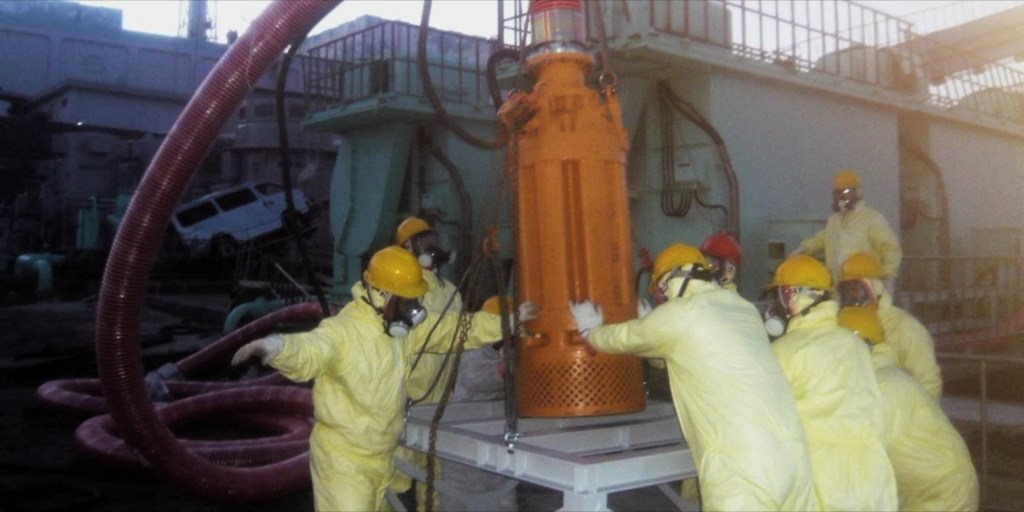

Directed by James Jones, Megumi Inman
My reaction to the HBO documentary on the Fukushima nuclear accident was somewhat fussy. I found it moving, then odd, then moving again, and ultimately, wanting. How could a movie that elicited genuine emotion be, in the end, kind of mediocre? For starters, and despite the star rating, I would absolutely recommend Fukushima: A Nuclear Nightmare. If you’re familiar with the event – as I so was, having done what I assume was Wikipedia-level research for a post about Shin Godzilla – it’s a more intimate look at the human cost, and if you’re unfamiliar or have largely forgotten, it’s a great overview. I’d love to say it’s scarily relevant, but only in how much “World War III” has been trending lately between four nuclear powers. My understanding of the event begins with politics, that the meltdown scare was the result of corporate mismanagement and a government too afraid to take consequential action. It begins, truthfully, with Shin Godzilla. The info spinning out of that movie wasn’t contradicted by Fukushima, but it was hinted at, frustratingly.
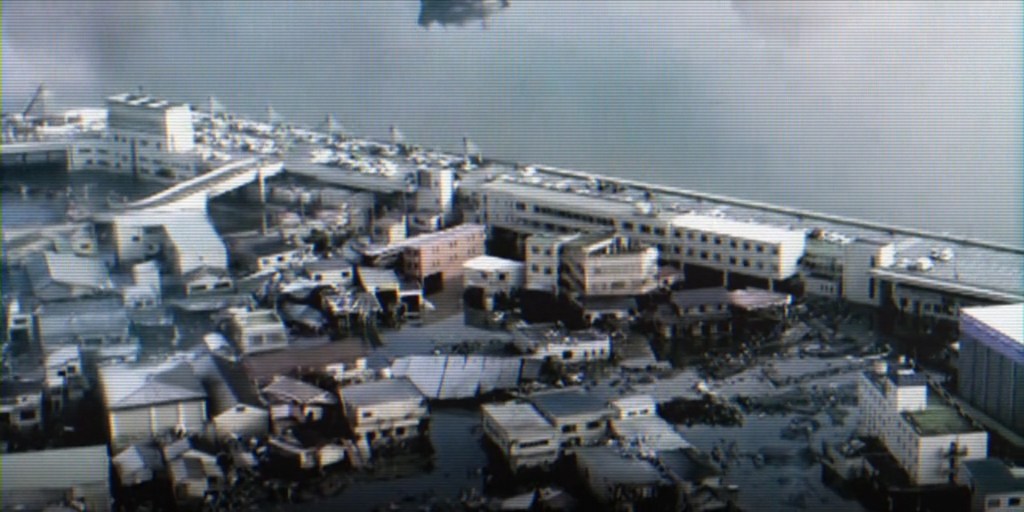
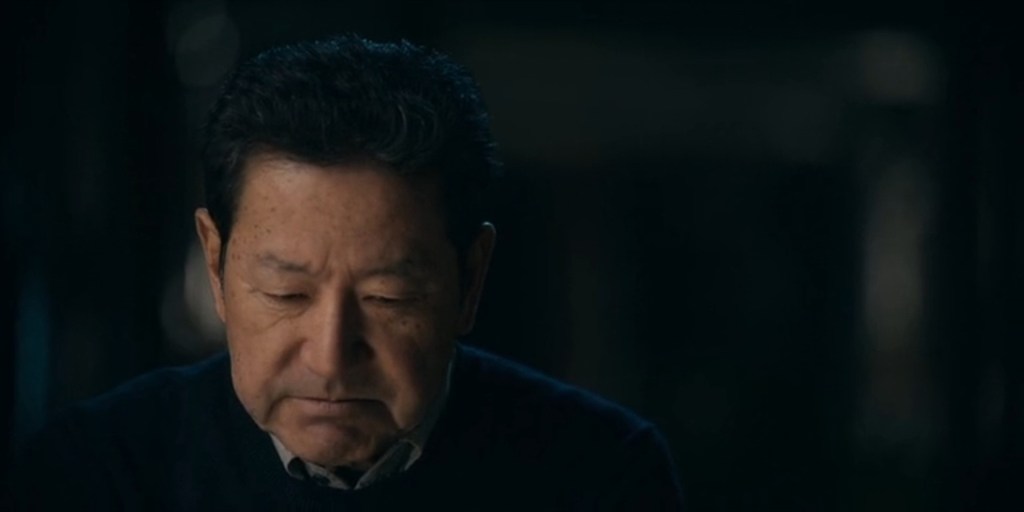
It’s only a problem, I think, because of the title. “Fukushima” is pretty broad, but A Nuclear Nightmare keeps a tight focus to the point of error. Curiously, the movie is framed by a discussion of how nuclear power was pushed onto the Japanese people as a safe, friendly energy solution by the American and then Japanese governments, with Astro Boy defamed as a propaganda mascot. Again to the film’s timing, this is coming in during a period when we’re all wondering, “Why are we so dependent on oil? Why-ever did we spurn alternate energy sources?” The infiltration of nuclear power is one component of the film’s argument. The other is about the Fukushima 50, though we’re told that it was actually more like 69. After a harrowing segment recounting the 3.11 tsunami and earthquake, accompanied by apocalyptic imagery and illustrative anecdotes from witnesses on the ground, Fukushima Daiichi engineer Ikuo Izawa walks us through the following nine days of hell. Alongside the other 68 employees who stayed inside the heavily irradiated plant to pump seawater into the reactors, his actions were heroic.
As we learn, the Japanese public disagreed. Naturally, they blamed TEPCO for the terror of a potential nuclear meltdown, but mistakenly conflated its management with the employees. One interviewee compares it to the perception of GIs coming back from the Vietnam War. Strangely, though, Western observers christened these employees the “Fukushima 50,” in admiration of their courage. And this self-sacrifice is communicated by members of the 50 themselves with personal accounts somehow not swallowed up by anguish. It’s a surprisingly small cast of characters overall, with Izawa being a standout. He talks about saying goodbye to his family, only able to do it via email and addressed primarily to his children. He only found the inner strength as a father, not as a husband. To speak with his wife would’ve broken him. It’s an emotional, essential story told by the best possible storyteller.
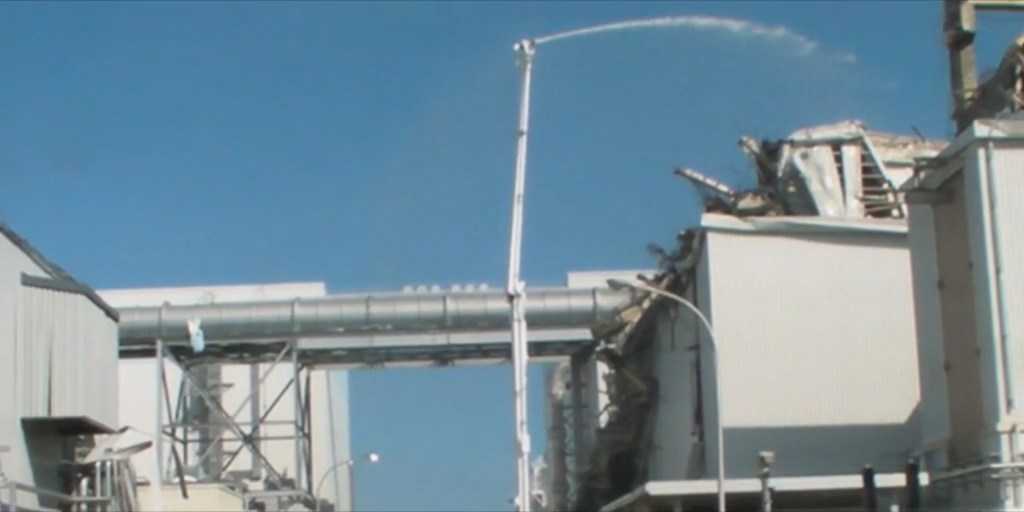
What I’m missing here is procedure. This doesn’t come down to the answers Izawa provided, but rather the questions supplied to him by the producers. I’m hearing the why, but not the how; the scope of the problem and the lethality of the operation, not the nuts and bolts. What were these guys actually doing, step by step? And why does the film, then, chronicle the event day by day with title cards? Maybe I missed it, because my understanding is: they volunteered to stay behind on a suicide mission – with then prime minister Naoto Kan telling them it’s okay to die if you’re over 60 (“None of us were over 60”) – and finally pumped seawater into the reactors to cool the rods. That’s an A and a B, but most of what appears to happen in between is the series of reactors exploding, as reported by global news outlets. There’s something missing, and I might not have noticed if not for the granular procedure of Shin Godzilla. Man, even the “Hyper Rescue Squad” water towers looked like the tankers filling Godzilla’s jaws with coagulant.
The final moments of the film compress a lot of open-ended details in a short amount of time, mostly courtesy the New York Times reporter. He mentions that TEPCO management had failed to sufficiently notify the plant about acute safety concerns ahead of the tsunami, and the suggestion is that this disastrous decision owes to the culture built up around nuclear energy. Because everyone’s so adamant about its safety, in the context of Japanese atomic history, one can’t even voice the smallest doubt. It seems like this is where the documentary should’ve begun rather than ended, and throughout, maybe juxtaposed a faceless corporation against the human victims who ultimately took the blame. It’s there in glimpses, with TEPCO characterized as a company inextricable from a community, not unlike DuPont prior to the discovery of PFOA. Whether Chernobyl or Fukushima, it’s always the same story – but that doesn’t mean it’s not worth telling. And so, it was a matter of expectations, teased at times by the film itself, which zooms in to provide something rare and revelatory while sacrificing the big picture.
 With Eyes East